
The situation
This story is a composite, based on the kind of situation we hear often.
A recent immigrant was driving in the US for only a few months when another car backed into their rear bumper in a parking lot. No one was hurt, but the car had a dented bumper, scraped paint, and a warning light on the dash. English was not their first language, and the insurance paperwork felt overwhelming.
They worried about making a mistake. Should they call the insurer first? Should they pick the first shop the insurer mentioned? What if they signed something they did not understand? They also worried that they might pay too much for repairs, or agree to a quick fix that would not last.
That is a common fear after a crash. When you are already stressed, every form and phone call feels harder. That is why simple, clear steps matter. It helps to slow down, write things down, and use quick answers after an accident and how CollisionLane works as a starting point.
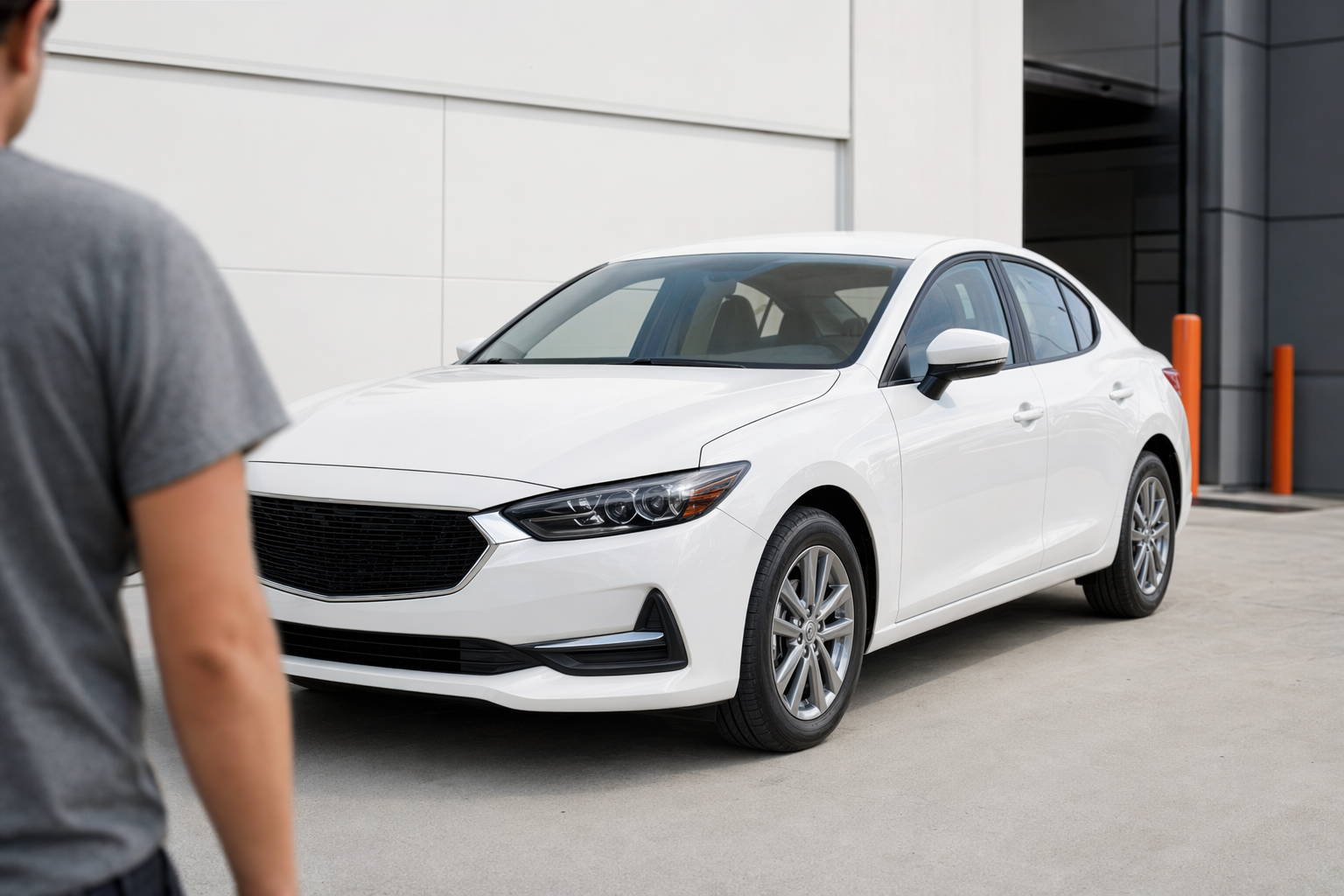
What they did
They began by taking photos of the damage, the other car, the license plates, and the scene. They also wrote down the date, time, and what happened while it was fresh. Then they contacted their insurer and asked for the basic claim steps in simple language.
Instead of rushing into the first repair shop, they asked for more than one written estimate. They used a friend to help translate during one call, but they also asked for written notes so they could review everything later. That helped them avoid misunderstandings.
They did a few practical things that protected them:
- They did not approve repairs right away.
- They asked what each line on the estimate meant.
- They checked whether the bumper needed repair or replacement.
- They asked if any sensors or hidden damage might need a second look.
- They compared shops before choosing one.
They also kept all messages in one place. That made it easier to follow the claim later. If you are in a similar spot, a simple tool like the insurance claim process guide or the accident checklist can help you stay organized.
What we helped with
CollisionLane did not repair the car and did not handle the insurance claim. We are a free matching and information service. What we did was help them understand the process in plain English and connect them with local body shops that could explain repairs clearly.
We helped them:
- Understand common claim words, like deductible, estimate, supplement, and frame damage.
- Compare what different shops said about the bumper and hidden damage.
- Ask for a written estimate before work started.
- Find a shop that was willing to explain the repair step by step.
We also pointed them to helpful pages like how to read a repair estimate, how to choose a trustworthy body shop, and the general service overview at auto body repair services.
That made the next conversation less confusing. They were able to ask better questions, such as whether the damage was only cosmetic or whether anything structural might be involved. They could also ask if the final bill could change if hidden damage appeared, which is common in collision repair. A later change to the estimate is often called a supplement, which is just an added repair note after the shop finds more damage.
The outcome
The driver chose a local shop after comparing the written estimates and talking through the work in simple terms. The final repair involved bumper work and paint matching. The shop also checked for hidden damage before starting, which reduced surprises later.
The process still took time. Collision repair usually does. Parts may need to be ordered. Paint may need careful matching. If hidden damage shows up, the shop may need to update the estimate. But because the driver asked questions early, there were fewer misunderstandings and fewer last-minute decisions.
Most importantly, the driver felt more in control. They knew what they were paying for, what was included, and who to contact if they had another question. They did not get a promise of a perfect result, because no one can promise that. But they did get clear communication, a written estimate, and a repair path they could understand.
What you can learn
If English is not your first language, you can still handle a claim well. You do not need perfect words. You need clear steps.
Here are a few lessons from this story:
- Take photos right away, if it is safe to do so.
- Ask for written estimates, not just verbal promises.
- Do not feel rushed into choosing the first shop.
- Ask what might change the final price before work starts.
- Use a friend, translator, or written notes if that helps you understand.
- Compare shops and choose the one that explains things clearly.
If you want a simple place to start, use Get matched with a trusted auto body shop or read more in Guides for drivers after an accident. If the damage is mainly on the bumper, glass, or a dented panel, the service pages can also help you learn the basics before you decide.
The big lesson is simple. A second language should not mean second-rate care. With calm steps, written information, and the right shop, you can make a fair decision after a crash.
Common questions
Do I need perfect English to file an auto body claim in the US?
No. You can still move forward with simple notes, photos, written estimates, and help from someone you trust. It also helps to ask the shop or insurer to explain terms in plain language.
Should I pick the first shop the insurer suggests?
Not always. It is smart to compare written estimates and ask questions before you choose. CollisionLane helps you compare and get matched with a local shop, so you can decide for yourself.
What if I do not understand part of the estimate or claim paperwork?
Stop and ask for a plain-English explanation before you agree to anything. You can also look at our guide on [how to read a repair estimate](/guides/repair-estimates-explained/) and ask the shop to explain each line item.