Repair vs replace a bumper
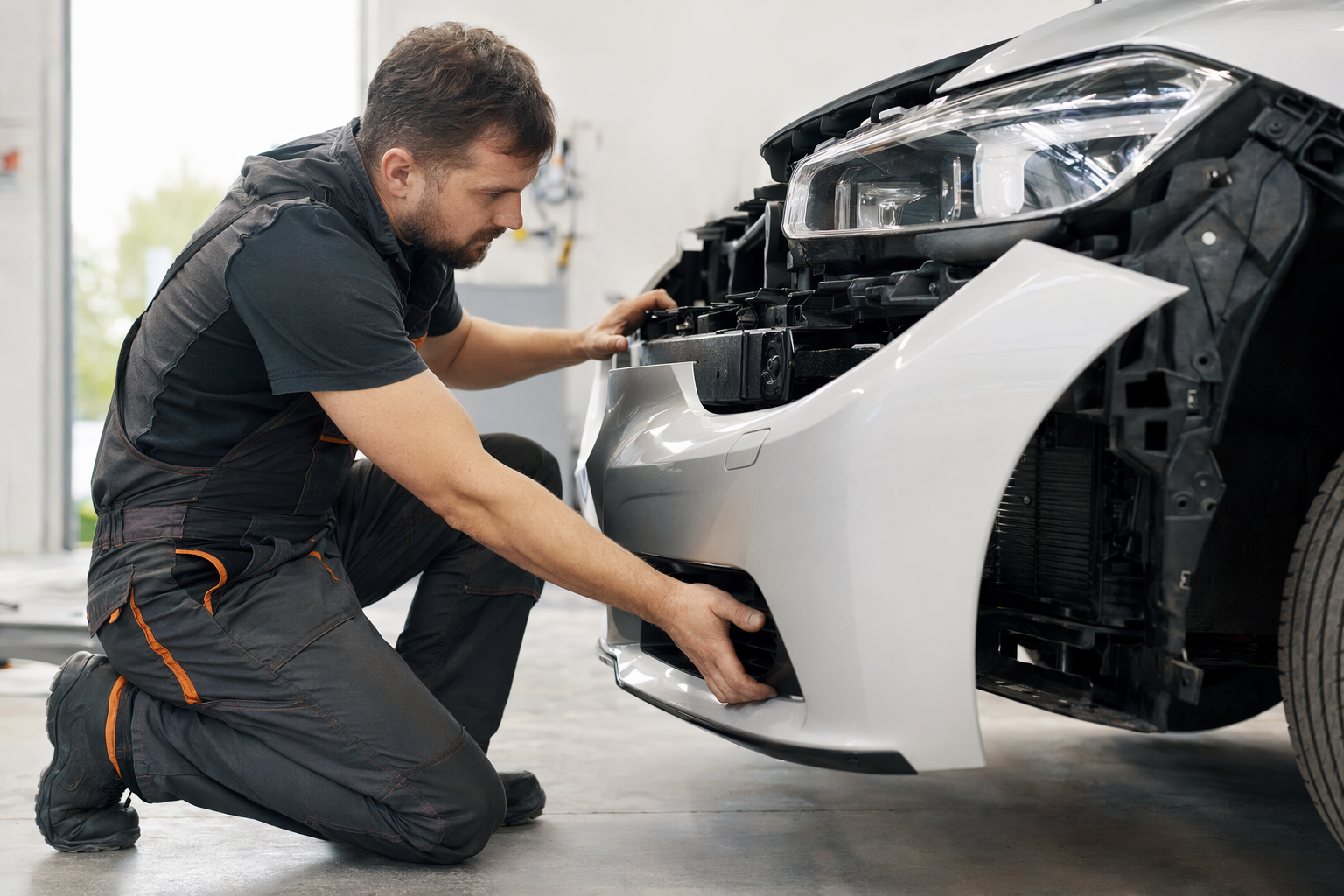
A bumper is more than a cover. On many cars, it includes the outer cover, impact absorber, brackets, sensors, parking aids, and sometimes camera hardware. That is why one small hit can turn into a bigger repair.
A shop may try to repair the bumper when the damage is mostly cosmetic. That can include scuffs, shallow dents, small cracks, or a cover that is scratched but still solid. A bumper often needs replacement when there is a deep crack, a torn corner, broken mounting tabs, missing pieces, or damage to the absorber behind the cover.
Here is a simple way to think about it:
- Repair may work when the cover is still straight and the damage is surface-level.
- Replace is more likely when the plastic is split, warped, torn, or the bumper will not mount securely.
- Replace is also common when sensors, radar, or camera brackets are damaged.
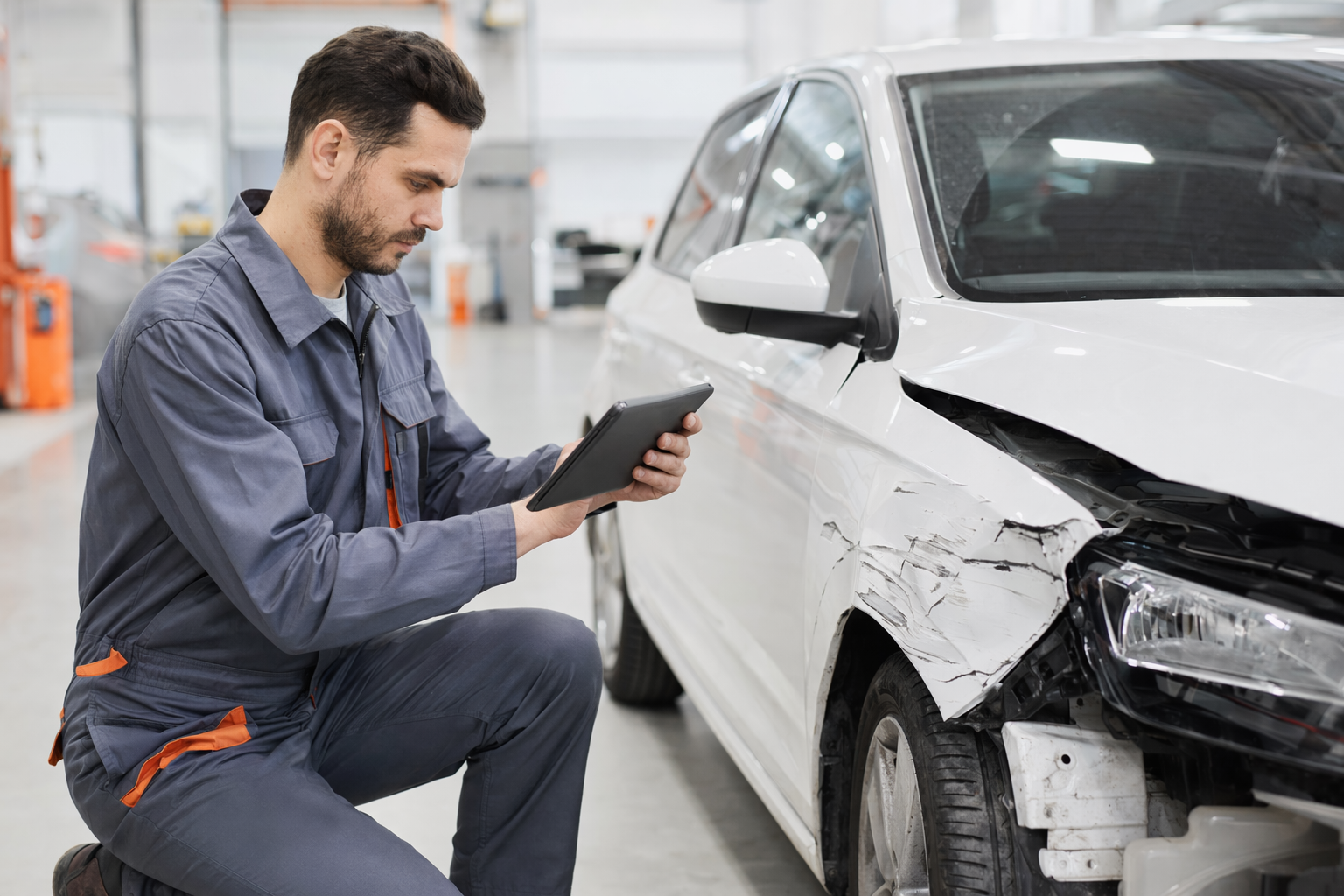
Safety matters too. A bumper that looks fine may still have hidden damage behind it. If the car took a hard hit, a good shop should inspect the bumper reinforcement, brackets, and nearby panels. If you want a bigger picture of collision damage, start with collision repair and what to do right after a crash.
If you are not sure, ask for a written estimate that shows repair and replacement options. You can compare shops and choose the one that makes the most sense for your car and budget. CollisionLane is a free matching and information service. We do not do the repair ourselves, but we can help you find a local shop that handles bumper work.
Plastic welding and refinishing
Many modern bumper covers are plastic, so body shops often use plastic welding or plastic repair methods. Plastic welding uses heat and filler material to join the damaged area. It can help with cracks, splits, and broken tabs when the cover is still worth saving.
Not every plastic bumper is a good repair candidate. A skilled tech will look at the size of the crack, where it is located, and whether the plastic is stretched or badly distorted. Damage near corners, sensor openings, or mounting points is often harder to repair well.
After the plastic work, the bumper usually needs refinishing. That means sanding, priming, color paint, and clear coat. If the bumper color must match the rest of the car, the shop may blend adjacent panels so the color transition looks smoother. If you want to understand the paint side better, see auto painting and how paint blending works.
A good repair should feel solid, not weak or flexible in the wrong places. The goal is not just to make it look better. It is to restore fit, finish, and function as much as possible. Ask the shop if the repair will be backed by a written warranty, and ask what is covered.
Plastic repair is usually best for moderate damage. If the bumper has multiple cracks, missing pieces, or bad warping, replacement is often the cleaner and longer-lasting choice.
Sensors, cameras, and recalibration
Many bumpers now hold important safety and driver-assist parts. These may include parking sensors, blind spot components, front or rear cameras, radar units, and wiring harnesses. Even a low-speed bump can knock these parts out of alignment or damage the mounts.
That is why bumper repair is no longer just about the plastic. The shop may need to remove sensors, transfer them to a new cover, test them, and sometimes recalibrate them. Recalibration means resetting the system so it reads distance, position, and camera views correctly again.
Recalibration is especially important after replacement or after any repair that affects the front or rear of the car. If the bumper houses ADAS parts, the car may not warn you correctly unless the system is checked. For more on that, see Do I Need ADAS Recalibration After Repair?.
A few signs the bumper tech matters:
- Parking alerts beep at the wrong time.
- A camera image looks crooked or off-center.
- Warning lights stay on after the hit.
- A sensor bracket or mounting point is broken.
Do not assume the electronics are fine just because the bumper cover is only lightly damaged. Ask the shop whether sensor transfer and recalibration are included in the estimate. If not, ask what is extra. This is a common place where estimates change after teardown.
If your car has advanced safety features, choose a shop that has real experience with bumper-mounted electronics. A low bumper price can become expensive if the vehicle needs a second visit for calibration.
OEM vs aftermarket bumpers
When a bumper is replaced, the shop may suggest an OEM, aftermarket, or used part. OEM means original equipment manufacturer, which is the same type of part made for the car maker. Aftermarket means made by another company. Used means a part removed from another vehicle.
Each option has trade-offs:
- OEM parts usually fit best and are the most predictable.
- Aftermarket parts can cost less, but fit and finish may vary.
- Used parts can be a budget option, but condition and compatibility matter.
For bumper covers, fit is a big deal. A poor fit can leave gaps, uneven lines, or problems with sensor openings. On cars with cameras and radar, the exact shape and bracket location may matter even more. If you want a deeper comparison, see OEM vs aftermarket vs used parts.
The cheapest part is not always the best value. Ask whether the part is painted, primed, or bare. Ask whether clips, brackets, and absorbers are included. Ask whether the shop will verify sensor alignment after installation.
If insurance is involved, coverage rules can affect part choice, but the basics are still the same. You should understand what part is being used and what the final repair plan includes. A good estimate should spell this out in writing so you can compare it clearly.
Finding a bumper specialist
Not every shop handles bumper repair the same way. Some do basic cosmetic work. Others are better equipped for sensor-heavy vehicles, plastic repair, and calibration steps.
Look for a shop that can handle the full job, not just the outer cover. A strong bumper specialist should be able to explain:
- Whether the bumper can be repaired or should be replaced
- Whether the sensor, camera, or bracket damage was checked
- Whether paint, blending, and clear coat are included
- Whether recalibration or diagnostic checks are needed
- How long the repair will take
You can also ask for photos of the damage, a written estimate, and a clear list of parts. If anything is vague, ask them to explain it in plain English. If you are still comparing shops, our how to choose a trustworthy body shop guide can help, and you can get matched with a trusted auto body shop through CollisionLane.
A few red flags to watch for:
- No written estimate
- No discussion of sensors or calibration
- Very low price with no clear parts list
- Pressure to approve work immediately
- No clear answer on fit, warranty, or timing
If you are stressed, that is normal. Start with a shop that listens, inspects carefully, and explains the repair in simple terms. You should feel comfortable asking questions before any work begins.
Typical cost ranges
Bumper repair costs vary a lot. The final price depends on the damage, paint work, hidden parts, sensor labor, and whether the bumper needs replacement. The numbers below are typical US ranges, not quotes.
Common ranges:
- Cosmetic bumper scuff or minor crack repair, about $300 to $900
- Plastic welding and refinishing for moderate damage, about $500 to $1,200
- Bumper cover replacement with paint, about $800 to $2,000+
- Repair or replacement with sensors, cameras, or radar work, about $1,000 to $2,500+
- Recalibration or diagnostic work, often $150 to $600+, sometimes more depending on the vehicle
Luxury vehicles, newer cars, and cars with advanced driver-assist systems can cost more. If hidden damage is found after teardown, the estimate may increase. That is common in collision repair, and it is one reason written estimates matter. See How to read an auto body repair estimate and what is a supplement in collision repair.
To keep control of the job, ask for:
1. A written estimate before work starts
2. A clear note on repair versus replacement
3. A parts list, including sensors and brackets
4. Any extra cost for calibration or paint blending
5. A final approval call before added work begins
If you want help comparing local options, CollisionLane can connect you with a shop that handles bumper repair, replacement, and sensor work. We are free to use, and you choose the shop.
Common questions
Can a cracked bumper always be repaired?
No. Small cracks and cosmetic damage may be repairable, but deep cracks, torn mounts, warped plastic, or damage near sensors often make replacement the better choice.
Do bumper sensors always need recalibration after repair?
Not always, but they often do if the bumper was removed, replaced, or if camera, radar, or parking sensor parts were moved or damaged. The shop should check and confirm.
Why did my bumper estimate go up after teardown?
Teardown can reveal hidden damage behind the cover, like broken brackets, absorbers, wiring, or sensor issues. That extra finding is common in collision repair and is often listed as a supplement.