The situation
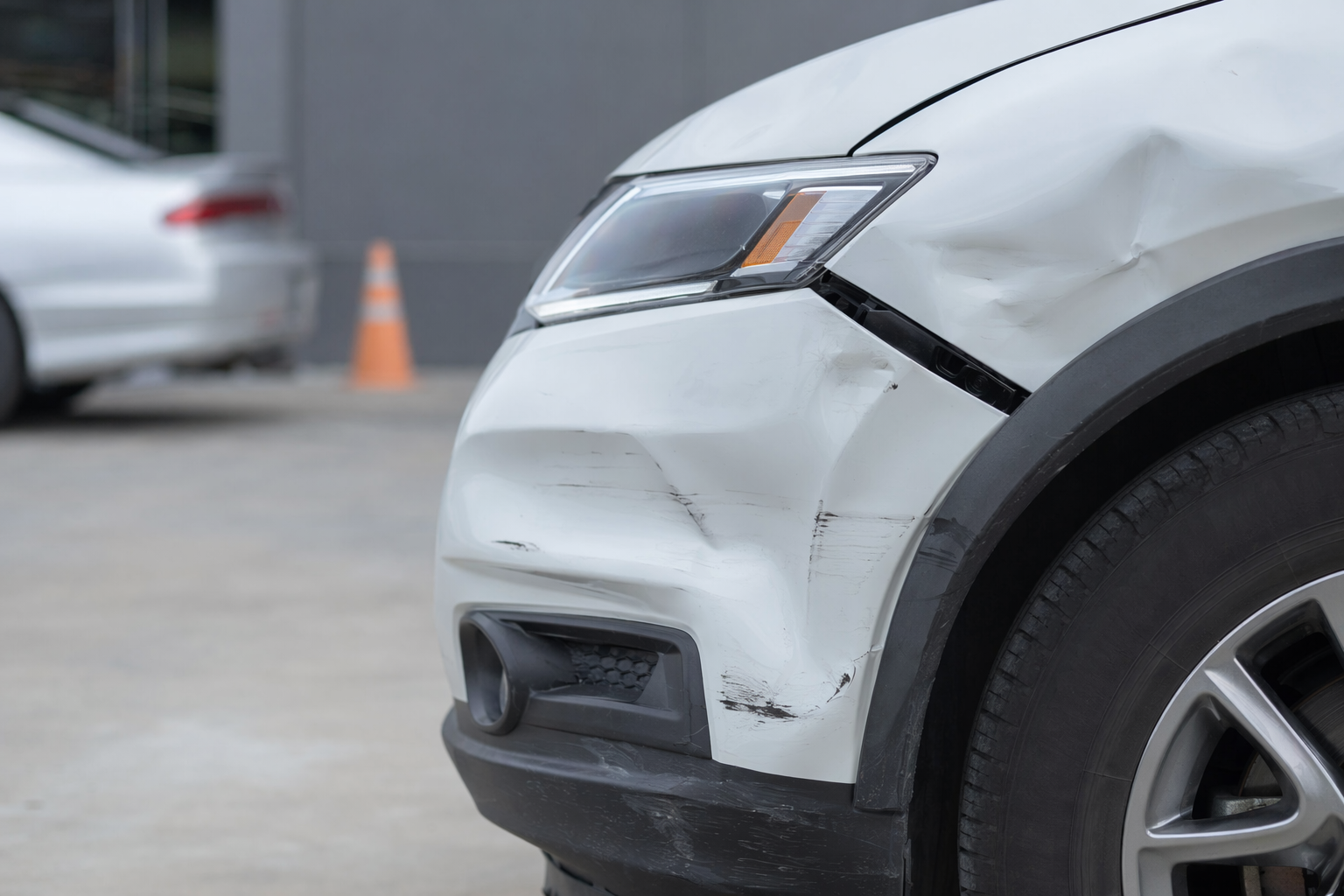
It happened at a stoplight. The driver was fully stopped when another car hit the back of their vehicle. The impact looked small at first, but the damage was not just a scuffed bumper.
There was visible bumper damage, broken clips, and a small misalignment around the rear panel. The trunk still opened, but it did not shut as cleanly as before. A later inspection also found hidden damage behind the bumper cover. That is common after a rear-end crash. What you can see outside is not always the full story.
The driver knew one important thing right away, they had been hit from behind while stopped. That meant they started collecting proof immediately. If you want a general overview of the next steps after a crash, this guide can help.
What they did
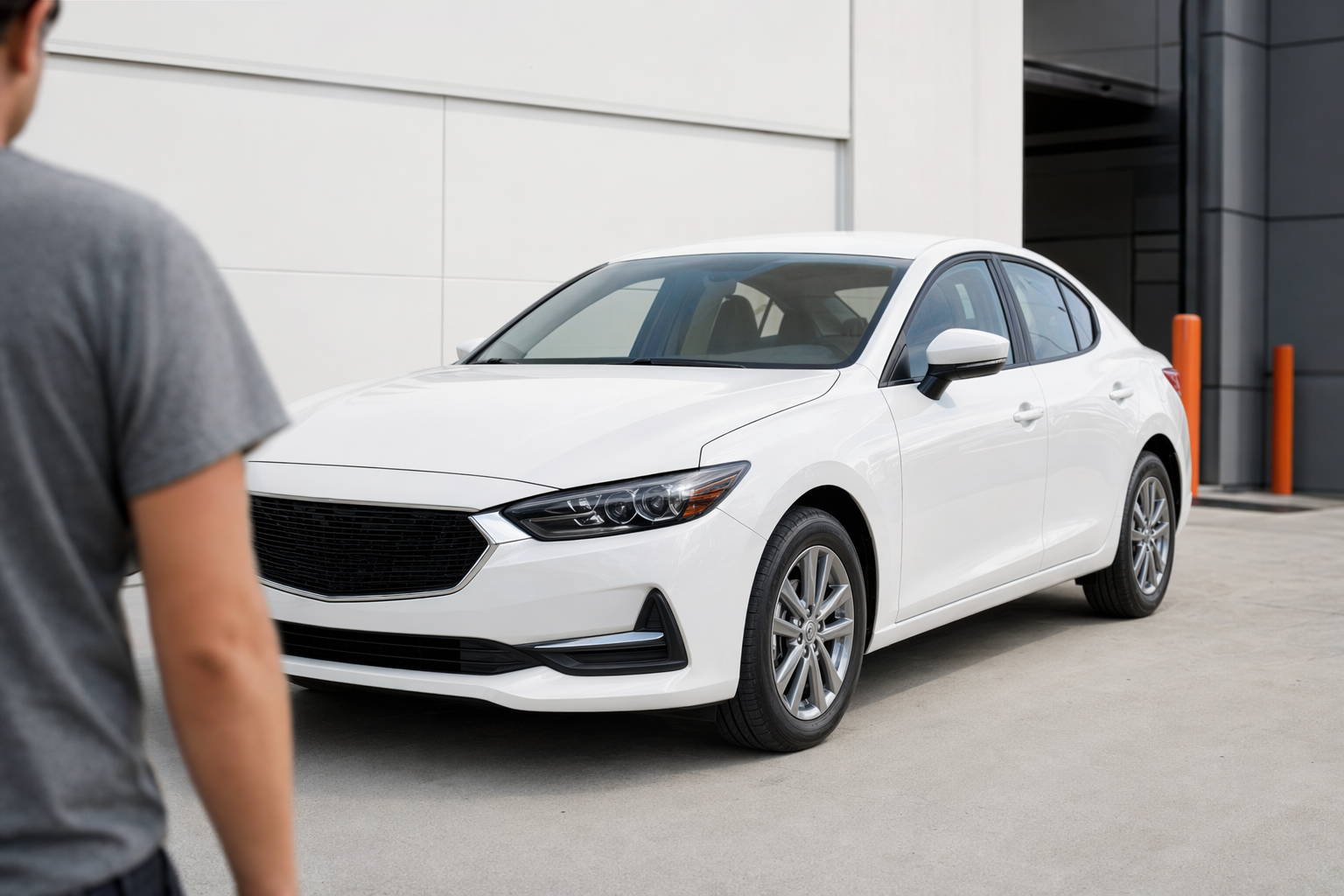
They stayed calm and focused on the basics.
- They took photos of both cars, the license plate, the road, the traffic light, and the damage from several angles.
- They got the other driver’s insurance information and contact details.
- They wrote down the time, place, and what happened while it was still fresh.
- They checked whether the car was safe to drive. Since the rear damage looked more than cosmetic, they had the car looked at before deciding anything.
Next, they got a written estimate from an auto body shop. That matters because a quick visual check is not always enough. Rear-end repairs can include the bumper, reinforcement parts, sensors, brackets, lights, and sometimes hidden structure behind the bumper. If you want to understand estimates better, this guide explains the line items in plain English.
The shop also pointed out that some parts might need a supplement, which is an updated estimate after the car is partly разобран? Let's avoid non-English. Instead: after the car is partly taken apart. That is common when hidden damage shows up. The initial estimate is often only the starting point.
Because the driver was not at fault, they asked the insurer handling the claim to review the damage and approve repairs. For a general explanation of that process, see How to File an Auto Body Insurance Claim and Who Pays for Repairs When You're Not at Fault?.
What we helped with
CollisionLane did not do the repair. We are not a body shop, insurer, or law firm. We are a free matching and information service.
What we helped with was the part that often feels confusing:
- We helped the driver compare local body shop options.
- We explained what to ask before saying yes to any repair plan.
- We helped them look for shops that can handle bumper repair, hidden damage checks, and paint matching.
- We reminded them to ask for written estimates and to confirm the final price before work starts.
That last point is important. Repair costs can change if hidden damage is found. Typical rear-end repair ranges can vary a lot based on the vehicle, the parts needed, and whether sensors or paint work are involved. Those are only typical ranges, not quotes.
We also pointed the driver to useful reading on bumper repair, collision repair, and choosing a trustworthy body shop. When you are stressed, having a short list of shops and questions can make the next step easier.
The outcome
The shop found more damage after removing the bumper cover. Some clips, brackets, and internal parts were damaged. The rear impact bar also needed attention. The estimate was updated, and the insurer reviewed the added findings.
The repair was approved and completed in stages. The shop replaced the damaged parts, repaired what could be safely repaired, aligned the rear area, and refinished the painted surfaces so the finish matched as closely as possible. The car was also checked for proper fit and operation before pickup.
In the end, the driver got the car repaired without paying for the crash themselves, since the other driver’s insurance handled the claim process. Just as important, the repair was done fully, not rushed. The driver picked up the car after reviewing the final work order and asking a few last questions about the repair and care instructions.
That is the goal in a case like this. Not just a quick fix, but a safe repair that makes sense for the damage found.
What you can learn
If you are rear-ended and you are not at fault, these lessons can help:
- Take photos right away, even if the damage looks minor.
- Get the other driver’s insurance details before you leave, if it is safe to do so.
- Do not assume the damage is only cosmetic. Rear crashes can hide deeper problems.
- Get a written estimate from a body shop.
- Ask how hidden damage and supplements are handled.
- Confirm who is paying before repairs begin.
- Compare shops. You choose the one that feels right for your car and your situation.
If you need help getting started, you can get matched with a trusted auto body shop or read more on how CollisionLane works. If you want a broader view of repair topics, visit auto body repair services or our guides.
A crash is stressful. But the process gets easier when you slow it down, keep records, and ask for everything in writing.
Common questions
If I was rear-ended, do I need to prove the other driver caused it?
Usually, the most useful step is to save clear proof, like photos, witness info if available, and the other driver’s insurance details. This story is not legal advice, but documentation can help the claim move more smoothly.
Can rear-end damage be worse than it looks?
Yes. A bumper can look only scuffed while hidden parts behind it are bent or broken. That is why a written estimate and a careful shop inspection matter.
Should I get a second estimate after a rear-end crash?
Often, yes. Getting more than one written estimate can help you compare what shops found and how they plan to repair it. Confirm the price and repair plan before work starts.