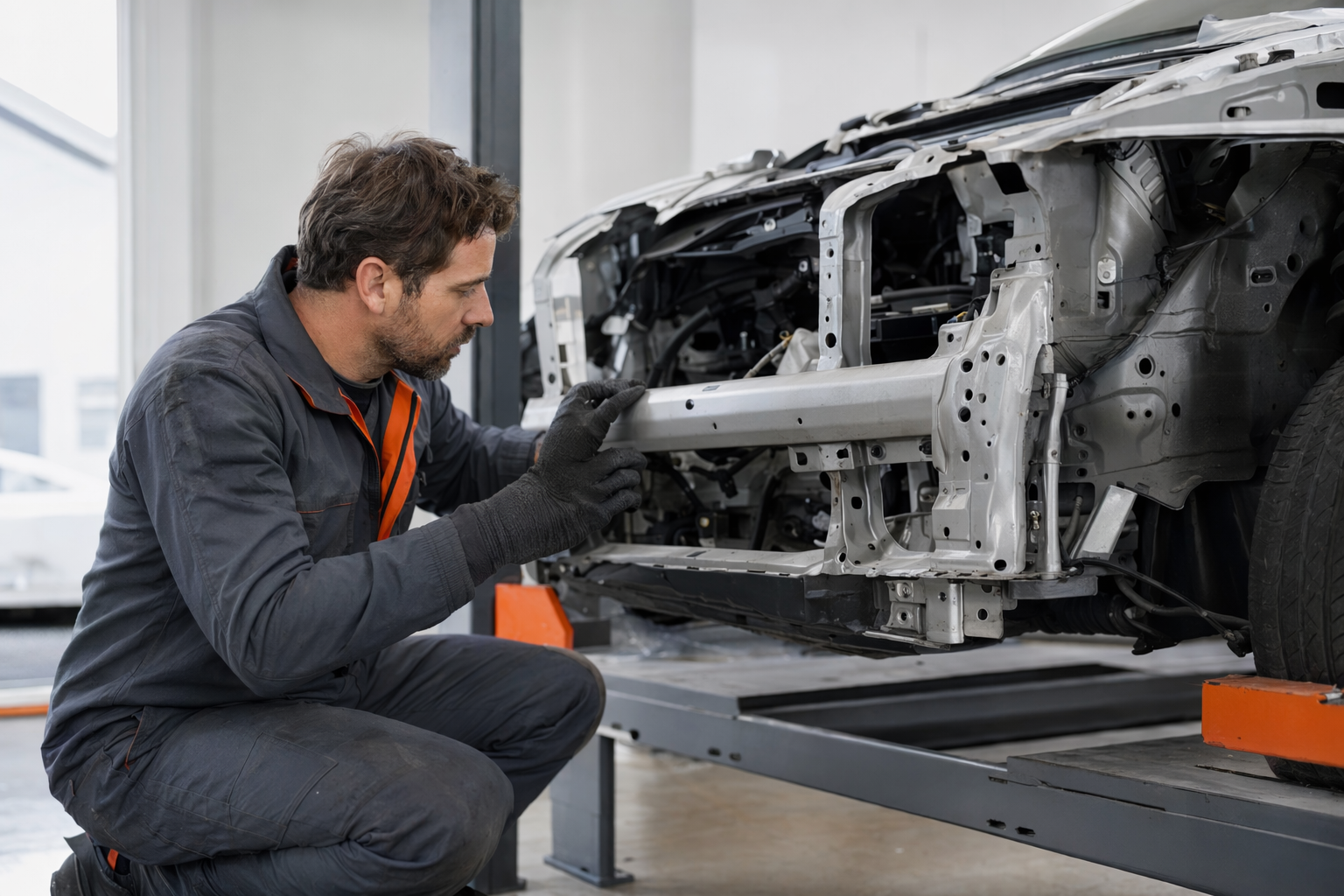
Vehicle Safety After a Collision
After a collision, safety is the first question. Even a small hit can affect parts you cannot see, like airbags, seatbelt pretensioners, sensors, steering, suspension, or the car’s structure.
A car may still move under its own power and still not be road-safe. Warning signs include:
- Airbag or seatbelt warning lights
- Steering that pulls, shakes, or feels off-center
- New noises when turning, braking, or going over bumps
- A crooked wheel or hood, door, or trunk that no longer lines up
- Broken glass, fluid leaks, or a smell of fuel
- Dashboard alerts for cameras, radar, or driver-assist systems
If the crash involved the front, rear, wheel, suspension, windshield, or any area where sensors are mounted, a deeper check is a good idea. For related repair topics, see collision and frame repair, bumper repair, and glass replacement.
Why it matters
Safety systems are built to protect you in the next crash, not just the first one. If they are damaged or not working right, the car may not protect you the way it should.
Common reasons this matters:
- Airbags may not deploy correctly again if the system was hit or already triggered
- Seatbelts may not lock or tighten the way they should after an impact
- ADAS, which means driver-assist tech like lane keep assist, automatic braking, and adaptive cruise control, may need recalibration
- Hidden structural damage can change how the car absorbs force in another crash
Typical inspection or diagnostic checks can range from about $100 to $300. ADAS recalibration often runs about $150 to $600 or more, depending on the vehicle and the systems involved. Structural measurement or frame inspection can also add to the bill. These are typical ranges, not quotes.
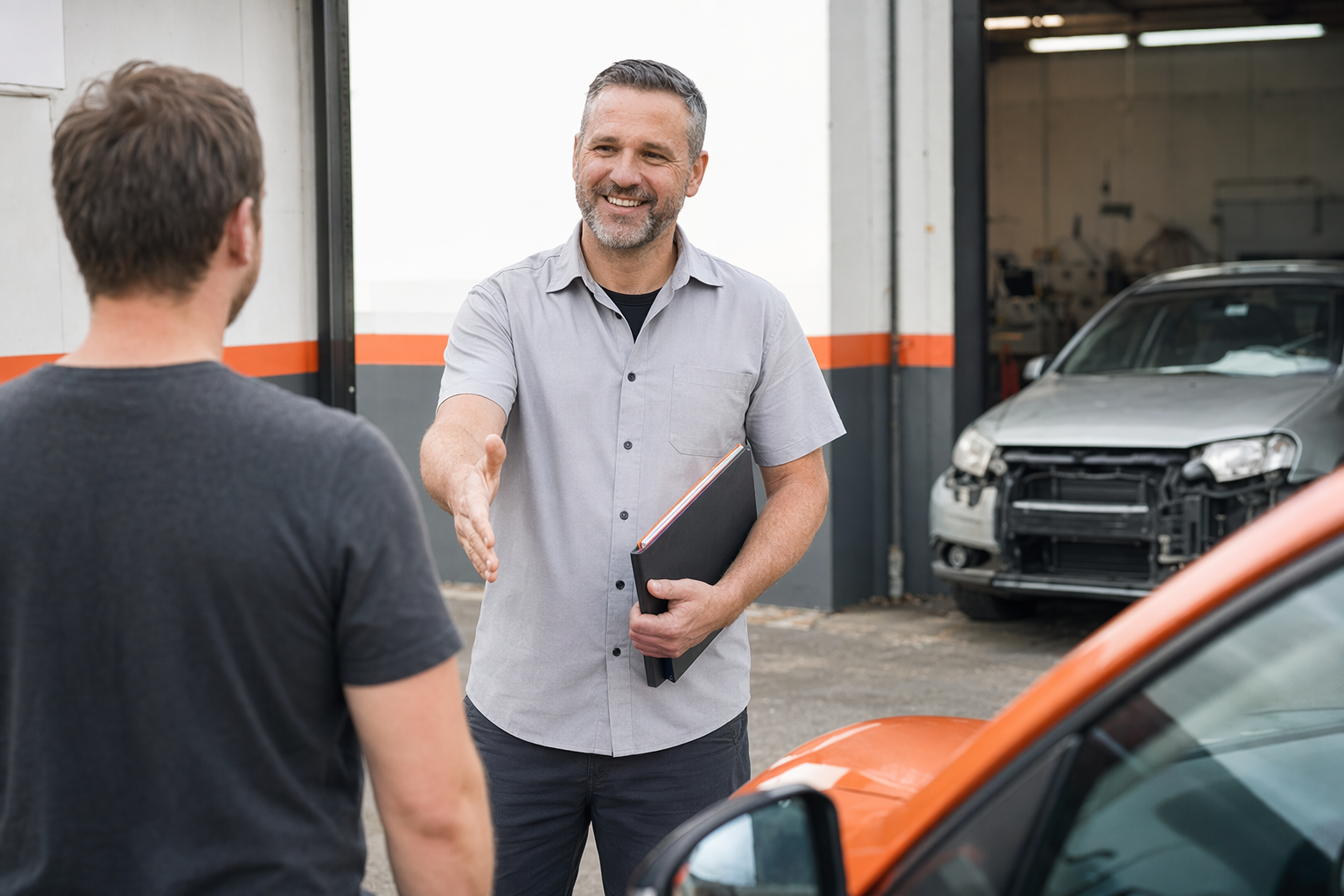
If you want help comparing shops that can inspect these issues, CollisionLane is a free matching service. You can get matched with a trusted auto body shop.
Step by Step
Here is a simple way to think about it.
1. Stop driving if the car feels unsafe.
If the steering is weird, a wheel is damaged, an airbag light is on, or you smell fuel, do not keep driving unless it is necessary to move to a safer spot.
2. Look for obvious damage.
Check tires, wheels, glass, lights, bumper covers, and fluid leaks. If a door, hood, or trunk will not close right, that is also a warning sign.
3. Check the dash.
Any airbag, ABS, traction control, check engine, or ADAS warning light should be taken seriously.
4. Get a proper inspection.
Ask a body shop to look at safety systems, suspension, alignment, and structural areas. If airbags deployed, the shop should check the full system, not just replace the visible bag.
5. Ask about recalibration.
Many newer cars need cameras or radar recalibrated after repair, especially after bumper, windshield, suspension, or front-end work. See Do I Need ADAS Recalibration After Repair?.
6. Get written estimates.
Ask for a written estimate before work starts. Compare shops and ask what is included. If a shop finds extra damage after teardown, they may need to update the estimate, which is common in collision repair. Learn more in how estimates work and what a supplement is.
7. Confirm the car is safe before normal driving.
If the shop says the car is ready, ask what was checked and what was repaired. If anything still feels off, speak up right away.
Your rights as the owner
You usually have the right to make the repair choice, not just accept the first option you are given. In general, you can:
- Choose a body shop you trust
- Ask for your own estimate
- Ask questions about safety systems, parts, and calibration
- Ask for written documentation of the repairs
- Compare shops before you approve work
If insurance is involved, the claims process can affect timing and paperwork, but you still should understand what is being repaired and why. For a general overview, see how the insurance claim process works and do I have to use my insurer's shop?.
CollisionLane does not repair cars and does not decide your claim. We help you find a local shop, free of charge, so you can compare and choose. If you want a place to start, use How CollisionLane works.
Common mistakes
People often make the same mistakes after a crash:
- Driving too soon because the car still starts
- Ignoring warning lights after the hit
- Assuming a small bumper hit cannot affect sensors
- Skipping wheel alignment or suspension checks
- Forgetting about windshield cameras and ADAS calibration
- Accepting a verbal price instead of asking for a written estimate
- Believing the car is fine because the damage looks cosmetic only
Another mistake is choosing the cheapest quote without asking what is included. A lower price may leave out calibration, alignment, or hidden damage checks. That can matter for safety. It is better to compare written estimates and ask questions first. If you are not sure what to ask, try our body shop question sheet or read questions to ask before you pick a body shop.
When to get matched with a shop
Get matched with a shop as soon as you have any of these:
- Airbag deployment or airbag warning lights
- Seatbelt that locked, jammed, or feels different
- Damage to the front, rear, wheels, suspension, or windshield
- ADAS or driver-assist warnings
- A steering problem, alignment problem, or strong vibration
- Hidden damage suspected after a tow or visual inspection
This is also a good time to get matched if you want help in your language, if you are new to the US, or if you simply want a calmer next step after a stressful crash. CollisionLane can connect you with a local auto body shop for inspection and repair planning, free. Start here: get matched with a trusted auto body shop.
If you want more general help after the crash, see the guides hub or our quick answers.
Common questions
Can my car be unsafe even if the damage looks small?
Yes. Hidden damage can affect airbags, seatbelts, steering, suspension, sensors, or the car’s structure even when the outside damage looks minor.
Do I need ADAS recalibration after a collision?
Often, yes, if cameras, radar, the windshield, bumper, suspension, or front-end parts were damaged or removed. A shop should inspect the specific systems on your car.
What should I ask a shop to check after a crash?
Ask for a safety check on airbags, seatbelts, steering, suspension, alignment, lights, fluid leaks, structural areas, and any ADAS sensors or cameras.