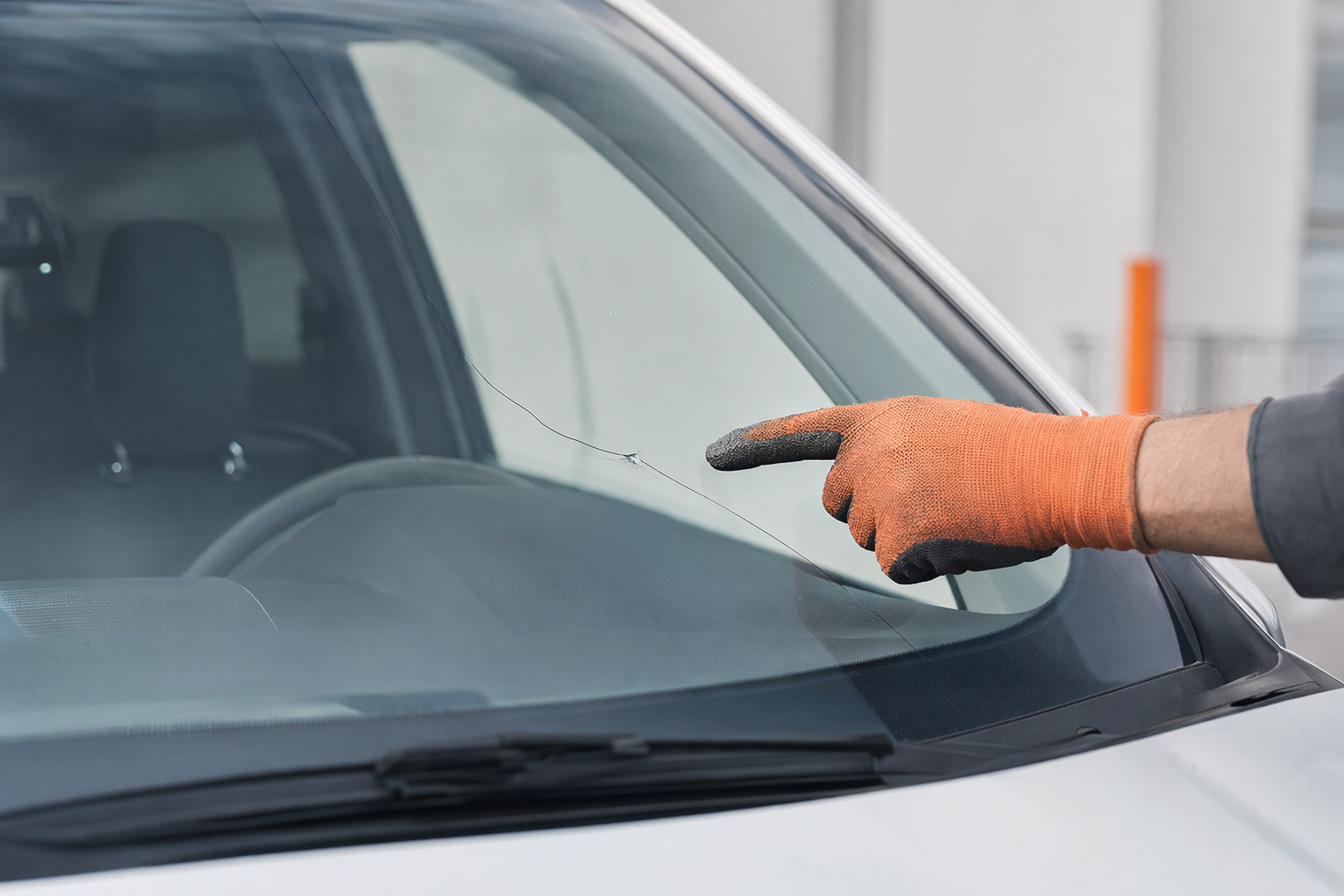
Windshield Crack: Repair or Replace?
If your windshield is cracked, the first question is not just how bad it looks. It is whether the glass can still be safely restored. A chip or short crack can sometimes be repaired. A larger crack usually needs a full windshield replacement.
The answer depends on the size, location, and shape of the damage. It also depends on whether the crack has spread, whether the crack is in the driver’s line of sight, and whether the glass has other damage.
If you need a broader overview of glass work after a crash, see windshield and auto glass replacement.

The short answer
Here is the plain answer.
- Repair is often possible when the crack is small, stable, and not in a critical area.
- Replace is often needed when the crack is long, growing, or near the edge of the windshield.
- Replace is also common if the crack blocks the driver’s view or weakens the glass too much.
A repair is usually a faster and lower-cost fix than a replacement, but it is not right for every crack. A replacement is a bigger job, but it may be the safer choice when the damage is too much for a repair. These are typical ranges and decisions, not quotes.
If you are trying to understand what a shop may recommend, you can also read How to choose a trustworthy auto body shop and How to read an auto body repair estimate.
What you need to know
A shop will usually look at a few things before deciding:
- Crack length. Short cracks are more likely to be repairable. Long cracks are more likely to need replacement.
- Crack location. Damage near the edge of the windshield can spread faster. Damage in the driver’s direct view may also be treated more cautiously.
- Depth and spread. If the crack has multiple branches or is running across the glass, repair may not hold well.
- Road safety systems. Some newer cars have cameras and sensors behind the windshield. After replacement, those systems may need recalibration, which means careful adjustment so they work properly.
- Water, dirt, and time. If a crack has been open for a while, dirt and moisture can make repair harder.
A quick repair may stop a small chip or crack from spreading, but it does not make the glass brand new. A replacement gives you a new windshield, but it should be done correctly so the fit, seal, and any safety systems are handled the right way.
If you are unsure whether your car needs more than glass work, it can help to review Is My Car Safe to Drive After an Accident? and Do I Need ADAS Recalibration After Repair?.
Steps to take
If you just noticed a crack, take these simple steps:
- Do not ignore it. Small cracks often get bigger with heat, cold, vibration, or a bump in the road.
- Take clear photos. Get close-up pictures and one wider shot. This helps when you ask for estimates or file a claim.
- Avoid washing the car hard or pressing on the glass. Gentle care is better until a shop looks at it.
- Get a written inspection or estimate. Ask a glass or body shop to tell you whether repair or replacement is better. Written estimates help you compare.
- Ask if calibration is needed. If your car has safety cameras or driver-assist features, ask whether the windshield work affects them.
- Confirm the price before work starts. Always ask what is included, and whether there could be added charges if the job changes.
If you want help finding a local shop, CollisionLane can match you with a trusted one through Get matched with a trusted auto body shop. You can also start at How CollisionLane works.
Common mistakes
A lot of stress comes from acting too fast, or waiting too long.
- Waiting until the crack spreads. A small repair can become a full replacement.
- Choosing only by price. The lowest estimate is not always the best one.
- Not asking about recalibration. This matters on many newer vehicles.
- Not checking the warranty or glass quality. Ask what parts and materials are being used.
- Not getting it in writing. Verbal promises are easy to misunderstand.
- Assuming every crack can be repaired. Some cannot. A shop should explain why.
If you are comparing shops, Questions to Ask Before You Pick a Body Shop can help you stay calm and organized.
If your repair is part of an insurance claim, the process can feel like a lot. A general walkthrough is here: How the auto body insurance claim process works.
Get matched with a shop
You do not have to figure this out alone. CollisionLane is a free matching and information service. We help drivers connect with local auto body shops that can inspect the glass damage and give a written estimate.
A good next step is simple:
- Share your car details.
- Describe the crack.
- Compare the shops you are matched with.
- Ask for the repair or replacement option in writing before you approve the work.
If your crack came after a crash, you may also want to look at What to Do Right After a Car Accident and After-an-Accident Checklist.
When you are ready, start here: Get matched with a trusted auto body shop.
Common questions
Can a windshield crack be repaired instead of replaced?
Sometimes, yes. Small, stable cracks or chips may be repairable. Longer cracks, cracks near the edge, or cracks in the driver’s view often need replacement. A shop should inspect the glass before you decide.
Does a windshield replacement include recalibration?
Not always. If your vehicle has cameras or driver-assist features behind the windshield, recalibration may be needed after replacement. Ask the shop before work starts so you know what is included.
Should I drive with a cracked windshield?
It depends on the size and location of the crack, but a crack can spread fast. If the damage blocks your view or seems to be growing, get it checked as soon as possible. If you are unsure, ask a shop to inspect it first.